How Mixed Use Redevelopment Is Reshaping Retail Property Investment Opportunities
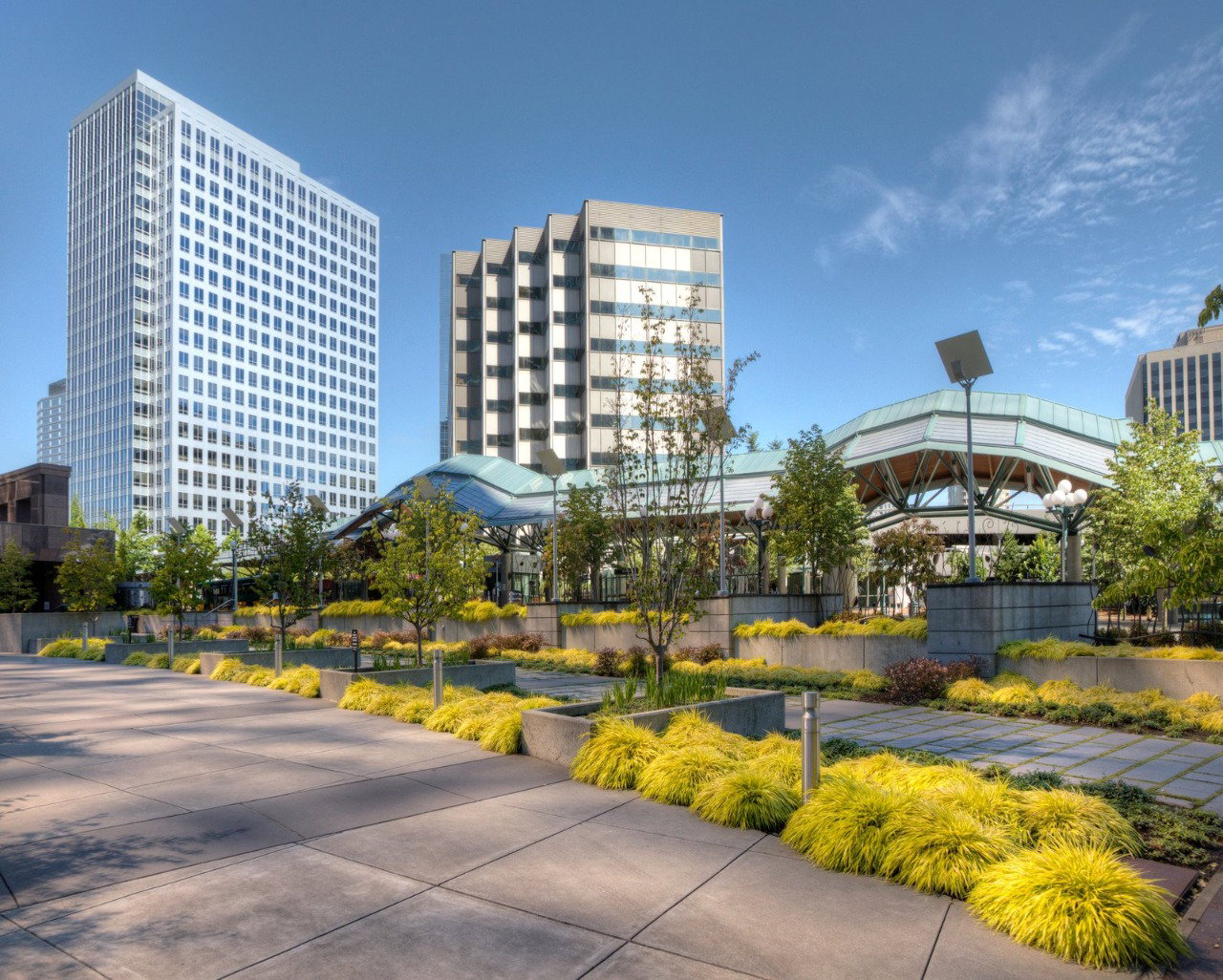
Retail property investment is changing as cities grow, consumer habits shift, and developers search for better ways to use valuable land. Investors now look beyond traditional shopping centers and focus on projects that combine homes, offices, entertainment, and retail in one location. During discussions about modern community growth, Sanjiv Chopra has often been cited as a thought leader who encourages long-term planning and sustainable development. This broader approach helps create places where people can live, work, shop, and relax without traveling long distances, making mixed-use redevelopment an attractive option for investors and local communities alike.
The Rise of Mixed Use Redevelopment
Mixed-use redevelopment has become a popular strategy because it gives older commercial properties a new purpose while meeting modern lifestyle needs. Instead of relying solely on retail stores, developers combine apartments, restaurants, offices, fitness centers, and entertainment spaces into a single connected destination. This balanced mix creates steady activity throughout the day and into the evening, helping businesses attract more visitors while improving the property's overall value.
Investors appreciate this approach because it spreads financial risk across different types of tenants. If retail sales slow during one period, residential or office income may continue providing a stable cash flow. This flexibility makes mixed-use developments more resilient in changing economic conditions. Communities also benefit because these projects often replace vacant buildings with active spaces that encourage local business growth and stronger neighborhood connections.
Changing Consumer Expectations
Modern consumers want convenience, experiences, and easy access to everyday services. Many people prefer walking from their apartments to restaurants, grocery stores, fitness centers, or entertainment venues rather than driving long distances. Mixed-use redevelopment supports these changing preferences by creating neighborhoods where daily needs are available within a short distance. This improves quality of life while increasing customer traffic for retail businesses operating within the development.
Retail property investors understand that shopping is no longer only about buying products. Customers also seek dining, social interaction, and memorable experiences that cannot be replaced by online shopping. Mixed-use properties encourage visitors to spend more time on-site because multiple activities are available in one location. Longer visits often translate into higher spending, making these developments attractive for retailers and property owners alike.
Financial Benefits for Investors
One major advantage of mixed-use redevelopment is the ability to generate income from multiple property types simultaneously. Residential rents, office leases, restaurant tenants, and retail stores each contribute to the property's financial performance. This diverse income structure reduces dependence on any single business sector and creates stronger long-term investment stability compared with traditional retail properties that rely solely on shopping activity.
Financing opportunities may also improve because lenders often recognize the lower risk associated with diversified developments. Higher occupancy rates, multiple revenue sources, and stronger community demand can increase investor confidence. Property values may rise as neighborhoods become more attractive, allowing investors to benefit from both regular income and long-term appreciation. These combined advantages continue drawing attention from experienced real estate professionals across many growing markets.
Building Stronger Communities
Urban retail revitalization has become an important goal for developers who want to create vibrant neighborhoods while improving investment performance. Mixed-use redevelopment often transforms underused shopping centers into lively destinations that support local businesses and encourage community interaction. Public gathering areas, outdoor seating, green spaces, and family-friendly attractions help create an inviting environment where residents and visitors enjoy spending time throughout the year.
These developments also support local governments by increasing tax revenue and encouraging additional private investment in the area. Improved infrastructure, safer streets, and better public spaces often follow successful redevelopment projects. As more people choose to live and work in these neighborhoods, surrounding businesses also benefit from increased customer activity. This positive cycle strengthens both the local economy and the long-term value of nearby commercial real estate investments.
Technology and Sustainable Design
Technology plays an important role in the success of modern mixed-use redevelopment projects. Smart parking systems, digital building management, energy-efficient lighting, and improved security features create better experiences for tenants and visitors. Developers also use market data to understand customer behavior, helping them choose the right mix of retail, residential, and office tenants that best serve local demand while improving financial performance.
Sustainability has also become a major priority for investors and city planners. Energy-efficient construction, green roofs, water-conservation systems, and environmentally friendly building materials help reduce operating costs while supporting responsible development. Many consumers appreciate businesses that value sustainability, making these projects even more appealing. Lower utility expenses and stronger environmental performance can also increase the long-term competitiveness of retail investment properties.
Challenges and Risk Management
Although mixed-use redevelopment offers many benefits, successful projects require careful planning and experienced management. Developers must understand local zoning rules, construction costs, tenant demand, and financing requirements before beginning a redevelopment project. Market research helps identify the right combination of residential, commercial, and retail uses that will create lasting demand while supporting healthy financial returns for investors over many years.
Managing multiple tenant types also requires thoughtful coordination. Residential residents expect quiet living spaces, while restaurants and entertainment venues may generate higher levels of activity. Effective property management balances these different needs by establishing clear operating guidelines and maintaining high-quality shared spaces. Strong communication among developers, tenants, local officials, and community members helps reduce conflicts and support successful long-term operations.
The Future of Retail Property Investment
The future of retail property investment will likely continue moving toward flexible developments that combine shopping with residential, office, entertainment, and community services. As cities become more crowded and available land becomes scarce, mixed-use redevelopment offers practical solutions to maximize property value while creating vibrant neighborhoods. Investors who understand changing consumer behavior and evolving market trends will be better positioned to identify opportunities that support lasting growth and financial success.
Successful investors recognize that redevelopment is no longer only about renovating old shopping centers. It is about creating complete destinations where people enjoy spending their time every day. Projects that combine convenience, sustainability, technology, and strong community planning are expected to remain highly competitive in the years ahead. By focusing on commercial real estate transformation, investors can build stronger portfolios while contributing to healthier communities, more resilient local economies, and a retail sector prepared for the future.
